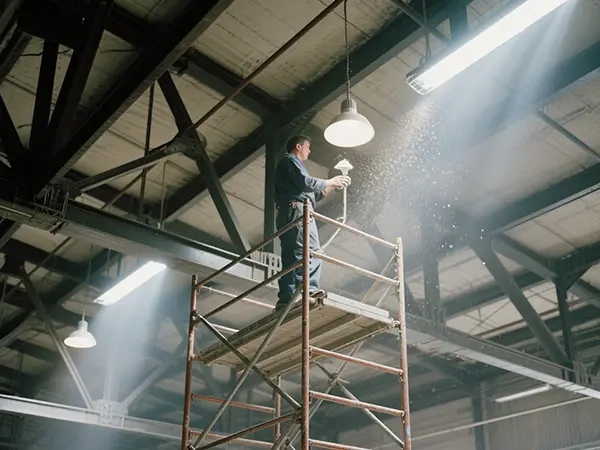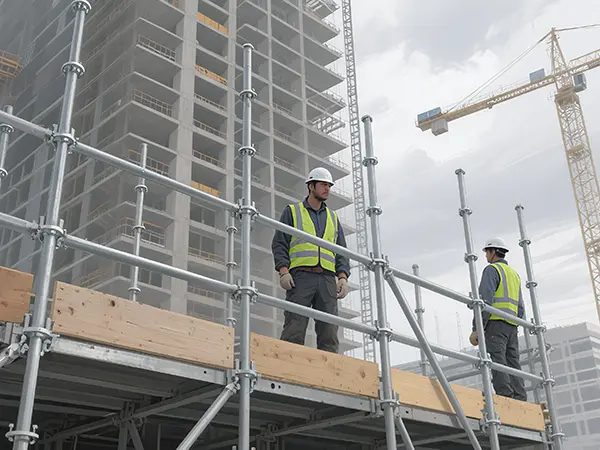
Choosing the right scaffolding system is a critical decision that impacts project safety, efficiency, and overall costs. With numerous scaffolding types available in the market, construction professionals often ask: what is the best type of scaffolding? The answer depends on various factors including project complexity, site conditions, budget constraints, and regulatory requirements. This comprehensive guide examines the leading scaffolding systems, their applications, and how to select the optimal solution for your construction needs.
Understanding Scaffolding Safety Standards
Before diving into specific scaffolding types, it’s essential to understand the safety standards that govern scaffolding use globally. The Occupational Safety and Health Administration (OSHA) defines a scaffold as an elevated, temporary work platform, with two basic types: supported scaffolds, which consist of one or more platforms supported by rigid, load-bearing members such as poles, legs, and frames.
OSHA has established comprehensive guidelines requiring scaffold platforms to be fully decked or planked and equipped with proper guardrails, midrails, and toe boards, with scaffolds capable of supporting up to four times their maximum intended load. Different countries have their own regulatory frameworks: in the United Kingdom, scaffolding on construction sites is governed by the “Temporary works facilities” standard (BS EN 12811-1) and practice guidelines called TG20, while other European countries follow similar EN standards.
Understanding these standards is crucial because the “best” scaffolding system must not only meet your project needs but also comply with local safety regulations in your operating region.
The Top Scaffolding Systems: A Detailed Comparison
1. Ringlock Scaffolding System
Ringlock scaffolding has emerged as one of the most advanced and versatile modular systems in modern construction. The system features vertical standards with multiple rosettes or rings welded at various heights, serving as connection points for horizontal ledgers to create a strong and adjustable scaffold structure.

Key Advantages of Ringlock Scaffolding:
- Superior Flexibility: One of the key advantages of Ringlock scaffolding is its flexibility in height adjustment, with vertical standards allowing for easy changes in scaffold levels, accommodating different construction requirements and irregular structures. The unique rosette-type central connecting point provides the ability to achieve angles in installation that other types of system scaffolds cannot, with up to 8 various angles possible.
- Exceptional Load-Bearing Capacity: Ringlock scaffolding is renowned for its exceptional load-bearing capacity, with multiple rosette positions allowing for the distribution of heavy loads evenly, providing stability and support for workers and materials. The eight-direction rosette design distributes loads more evenly across the structure and takes more weight.
- Rapid Assembly: Assembly and disassembly are seamless with Ringlock scaffolding. The wedge-locking mechanism allows workers to connect components quickly without requiring nuts and bolts, significantly reducing installation time and labor costs.
- Enhanced Safety Features: Ringlock systems offer more guardrail options, toeboards, and safer platforms, often compliant with OSHA and EN12810/EN12811.
- Durability and Low Maintenance: Ringlock is a low-maintenance type of scaffold, being a fully galvanized system where repair and refurbishment is far less than is required with painted systems.
Ideal Applications: Ringlock scaffolding excels in complex construction projects including high-rise buildings, bridges, curved facades, industrial facilities, stadiums, and infrastructure projects requiring irregular geometries.
Lucky Scaffold’s Ringlock Solutions: At Lucky Scaffold, we manufacture premium Ringlock scaffolding systems in both steel and aluminum configurations. Our Ringlock products are engineered to meet international safety standards including OSHA, BS EN 12811-1, and other regional requirements. With hot-dip galvanization providing superior corrosion resistance, our Ringlock systems are ideal for projects in the United States, United Kingdom, Australia, and Germany, offering contractors a reliable solution that combines safety, efficiency, and long-term value.
2. Cuplock Scaffolding System
Cuplock scaffolding, developed in the 1950s, remains a popular choice for its reliability and straightforward design. The system consists of vertical standards with cup-like connectors welded at regular intervals, with these cups securing joints for horizontal ledgers to create a robust scaffold structure.
Key Advantages of Cuplock Scaffolding:
- Quick Installation: The wedge-locking mechanism allows for straightforward and efficient setup, saving valuable time on-site, with the system requiring fewer components than other scaffolding systems.
- Strong Load-Bearing: Cuplock scaffolding provides reliable load-bearing capacity suitable for most standard construction applications, including formwork support.
- Cost-Effectiveness: Cuplock is often more affordable in initial investment, especially for projects requiring standard configurations.
- Proven Reliability: With decades of proven performance, Cuplock scaffolding has established itself as a dependable system for various construction applications.
Ideal Applications: Cuplock is best suited for straightforward projects like residential construction (family houses, apartment buildings), small or medium commercial buildings (office buildings, retail shops and malls), and infrastructure projects (sidewalks and pedestrian bridges, small road repairs and overpasses).
Lucky Scaffold’s Cuplock Solutions: Lucky Scaffold produces high-quality Cuplock scaffolding systems engineered for dependability and ease of use. Available in both steel and aluminum materials, our Cuplock products meet stringent international standards and are particularly popular in markets requiring cost-effective solutions without compromising safety. Our galvanized steel and anodized aluminum options ensure durability in diverse environmental conditions, from the humid climates of the southeastern United States to the challenging weather conditions in the United Kingdom.
3. Other Notable Scaffolding Types
Tube and Coupler Scaffolding: This traditional system offers maximum flexibility for custom configurations but requires more skilled labor and longer assembly times. Tube and coupler scaffold means a supported or suspended scaffold consisting of a platform supported by tubing, erected with coupling devices connecting uprights, braces, bearers, and runners. While versatile, it has largely been superseded by modular systems like Ringlock and Cuplock for efficiency reasons.
Frame Scaffolding: Frame scaffolding consists of prefabricated frames that are easy to assemble and disassemble. It’s commonly used in the United States for residential and light commercial projects but offers less flexibility for complex geometries compared to Ringlock systems.
Kwikstage Scaffolding: Kwikstage modular scaffolding is characterized by its prefabricated triangular pressings on the scaffolding standards, ideal for light and medium duty projects. It’s particularly popular in Australia and certain Asian markets.
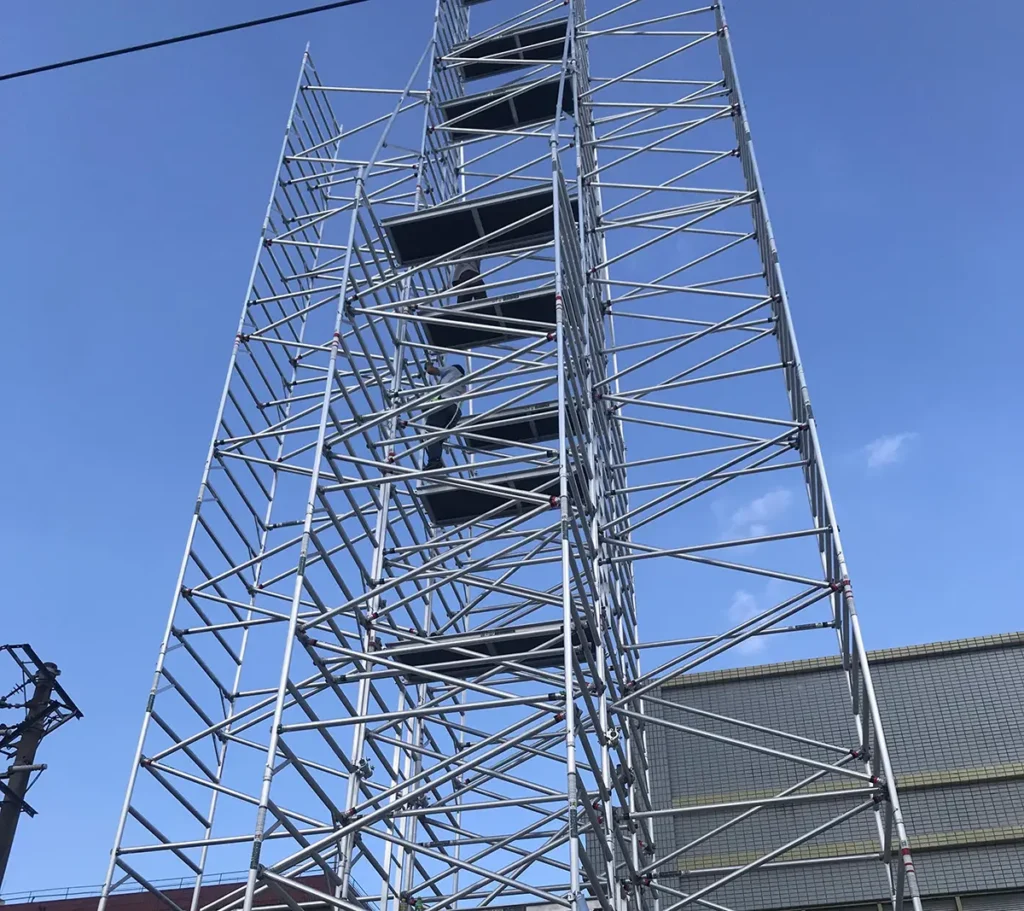
Material Considerations: Steel vs. Aluminum Scaffolding
Both steel and aluminum scaffolding have distinct advantages, and Lucky Scaffold specializes in manufacturing both materials to meet diverse project requirements.
Steel Scaffolding: Steel scaffolding advantages include high strength, good stability and durability, though they are heavier weight and relatively complicated installation and disassembly. Steel is ideal for heavy-duty applications, long-term projects, and situations requiring maximum load capacity. When hot-dip galvanized, steel scaffolding offers excellent corrosion resistance and can last for decades with proper maintenance.
Aluminum Scaffolding: Aluminum scaffolding advantages are light weight, convenient installation and disassembly, and strong adaptability, though they have relatively low load-bearing capacity and high cost. Aluminum’s natural corrosion resistance makes it particularly valuable for marine environments or projects in corrosive conditions. The lighter weight significantly reduces transportation costs and makes it easier for workers to handle components.
Making the Choice: If your project is extremely heavy-duty and will last several years, steel scaffolding may be the better option. On the other hand, if your project requires frequent movement of the scaffold or quick erection, aluminum might be the better choice.
Lucky Scaffold offers both steel and aluminum options in our Ringlock and Cuplock product lines, allowing contractors to select the optimal material based on their specific project parameters, budget, and environmental conditions.
Critical Safety Requirements and Load Capacities
Understanding load capacities is essential for selecting the right scaffolding system. OSHA sets rules for how much weight scaffolds can hold: light duty scaffolds can handle 25 pounds per square foot, medium duty scaffolds can handle 50 pounds, and heavy duty scaffolds can handle 75 pounds.
OSHA mandates that scaffolds must be designed and constructed to support their own weight, as well as four times the maximum intended load. This safety factor is critical for preventing structural failures and ensuring worker protection.
Key Safety Requirements:
- Fall Protection: OSHA requires guardrail installation on supported scaffolds at heights over 10 feet, with guardrails between 38 and 45 inches high and midrails at about half that height.
- Platform Requirements: Scaffold platforms must be fully decked or planked.
- Inspection Protocol: A “Competent Person” as defined in the OSHA standards must inspect the scaffold at the start of every shift.
- Stability: You must secure a supported scaffolding with a height-to-base ratio of over 4:1 by guying, tying, or bracing it.
Lucky Scaffold’s products are engineered to exceed these safety requirements, with design features that facilitate proper installation and inspection procedures. Our comprehensive product documentation includes load capacity charts, assembly instructions, and safety guidelines to ensure compliance with OSHA, British, European, and Australian standards.
What is the Best Type of Scaffolding? Making Your Decision
The “best” scaffolding system depends entirely on your project’s specific requirements. Here’s a decision framework to guide your selection:
Choose Ringlock Scaffolding When:
- Working on complex geometries, curved structures, or high-rise buildings
- Speed of installation is critical to project timelines
- Maximum load-bearing capacity and stability are required
- Long-term cost savings justify higher initial investment
- Working in environments requiring enhanced safety features
- Building projects in industrial, infrastructure, or commercial sectors
Choose Cuplock Scaffolding When:
- Project involves standard, straightforward configurations
- Initial budget constraints require cost-effective solutions
- Working on residential or small to medium commercial buildings
- Project requires proven, reliable technology with simpler training requirements
- Moderate load capacities meet project demands
Consider Aluminum Scaffolding When:
- Frequent scaffold relocation is necessary
- Working in corrosive environments or marine applications
- Reduced labor for handling and transportation is valuable
- Working at moderate heights with standard load requirements
Consider Steel Scaffolding When:
- Heavy-duty applications with maximum load requirements
- Long-term projects justify the higher initial weight consideration
- Environmental conditions are not highly corrosive
- Maximum durability and longevity are priorities
Lucky Scaffold: Your Partner in Quality Scaffolding Solutions
At Lucky Scaffold, we understand that selecting the right scaffolding system is crucial to project success. As a leading manufacturer based in China, we specialize in producing premium Cuplock and Ringlock scaffolding systems in both steel and aluminum configurations, serving contractors and construction companies across the United States, United Kingdom, Australia, Germany, and beyond.
Why Choose Lucky Scaffold:
- Quality Manufacturing: Our scaffolding systems are manufactured using high-grade materials with strict quality control processes, ensuring every component meets or exceeds international safety standards.
- Comprehensive Product Range: Whether you need steel Ringlock for a heavy-duty infrastructure project or aluminum Cuplock for a residential renovation, we offer the complete range of solutions.
- International Compliance: Our products are designed to comply with OSHA standards, BS EN 12811-1, Australian AS/NZS standards, and other regional requirements, making them suitable for global construction projects.
- Technical Support: We provide comprehensive technical documentation, load capacity charts, and engineering support to ensure proper system selection and implementation.
- Competitive Pricing: As a direct manufacturer, we offer competitive pricing without compromising on quality, providing excellent value for contractors seeking reliable scaffolding solutions.
Conclusion
There is no single “best” scaffolding type for all applications—the optimal choice depends on your project’s specific requirements, budget, timeline, and safety considerations. However, modern modular systems like Ringlock and Cuplock scaffolding have largely superseded traditional methods due to their superior efficiency, safety features, and versatility.
Ringlock scaffolding represents the cutting edge of scaffolding technology, offering unmatched flexibility, load capacity, and speed of installation for complex projects. Cuplock scaffolding provides a reliable, cost-effective solution for standard construction applications. Both systems, when manufactured to high standards with quality materials, deliver the safety and performance that modern construction demands.
At Lucky Scaffold, we’re committed to providing construction professionals with the highest quality scaffolding solutions. Whether you’re planning a high-rise commercial development, an infrastructure project, or residential construction, our steel and aluminum Ringlock and Cuplock systems offer the reliability, safety, and efficiency your project deserves.
For more information about our scaffolding products or to discuss your specific project requirements, contact Lucky Scaffold today. Let us help you select the best scaffolding solution for your next construction project.