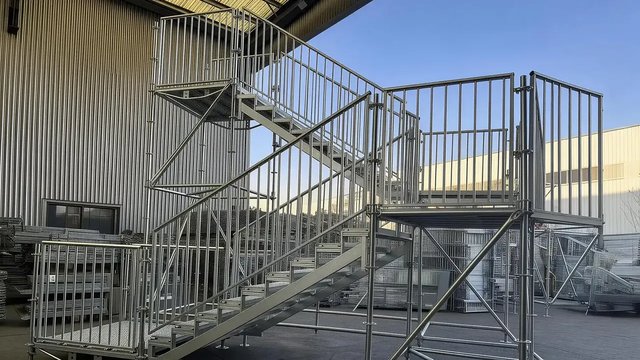
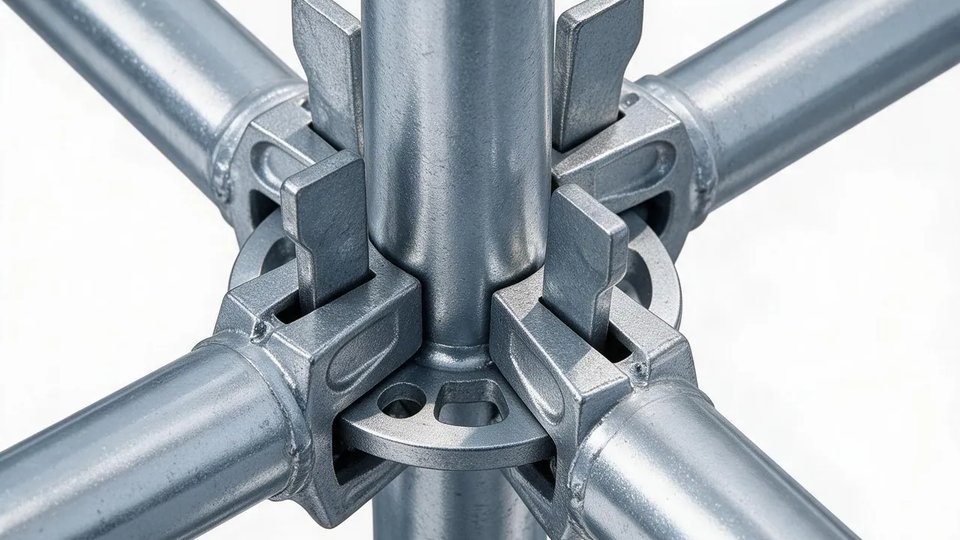
Scaffolding provides temporary access and working platforms for construction, maintenance, and infrastructure projects. Different systems are designed for different site conditions, structures, budgets, and working methods.
This guide focuses on three widely used scaffolding systems classified by their connection methods: Ringlock scaffolding, Cuplock scaffolding, and Tube and Clamp scaffolding. They differ in how their components connect, how layouts are adjusted, and how assembly work is carried out.
These are not the only ways to classify scaffolding. Scaffolds can also be grouped by how they are supported or whether they can move—for example, supported scaffolding, suspended scaffolding, and rolling scaffolding. These classifications describe different characteristics and should not be confused with connection-system types.
1. What Is Ringlock Scaffolding?
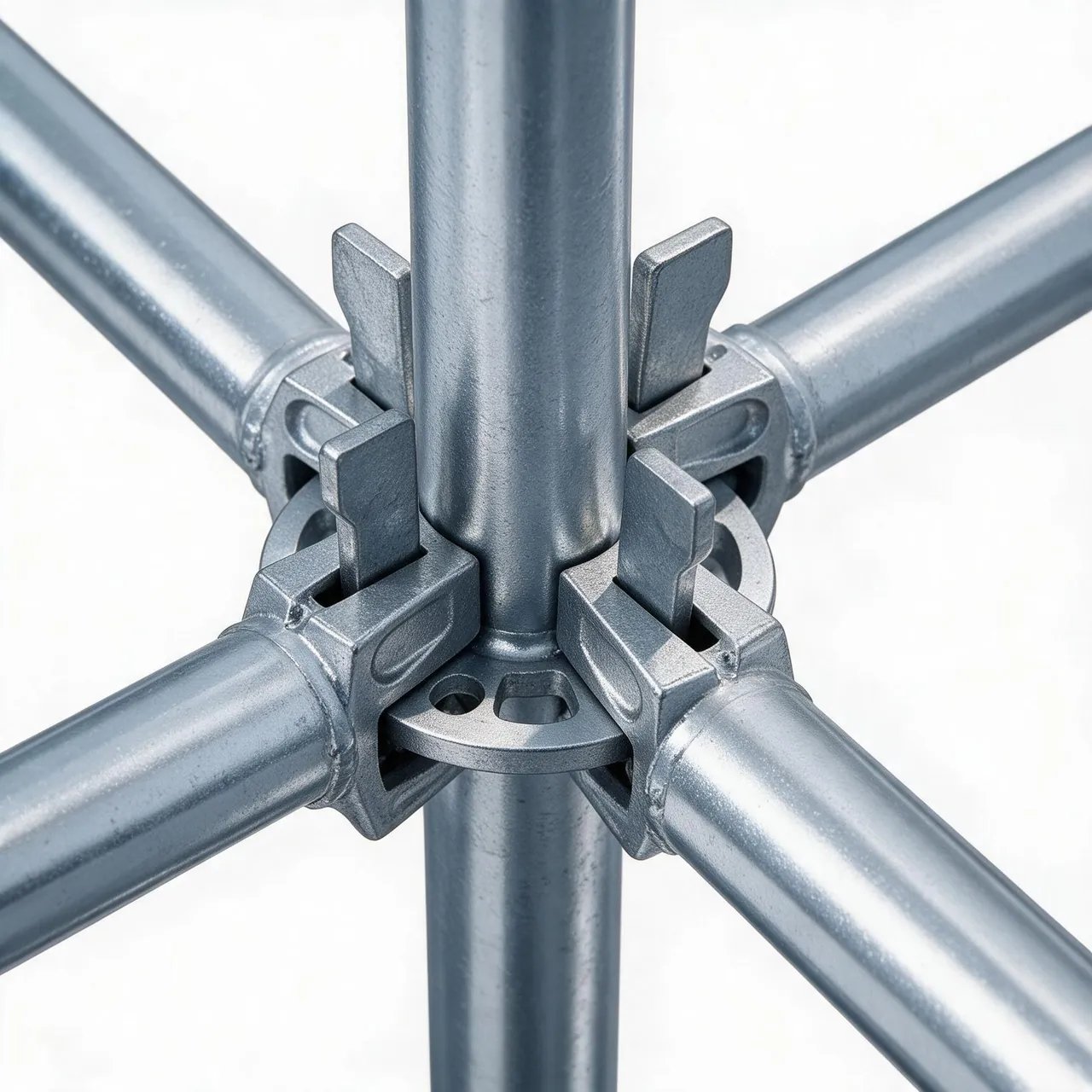
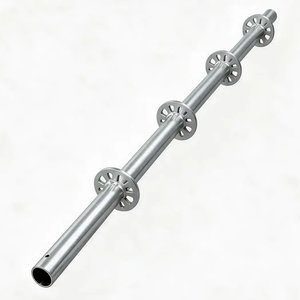
Ringlock scaffolding is a modular system that uses rosette-shaped connection points welded to vertical standards. Ledgers and diagonal braces connect to the rosettes with wedge heads and pins. Multiple connection directions can be available at each node, allowing the system to be configured for a wide range of structures.
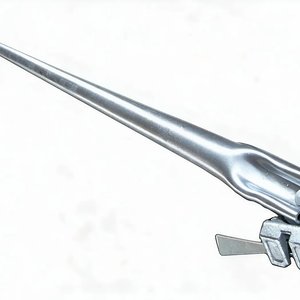
Key Ringlock components commonly include standards, ledgers, diagonal braces, base collars, adjustable screw jacks, platforms, guardrails, and access components. The exact component range depends on the manufacturer and project specification.
Advantages: Ringlock systems offer modular assembly, repeatable connections, and flexibility for complex layouts. With a suitable design and trained crew, standardized connections can help improve assembly efficiency and component management across projects.
Common applications: Commercial and residential construction, industrial plants, bridges, stadiums, power facilities, shipyards, and other infrastructure or maintenance projects.
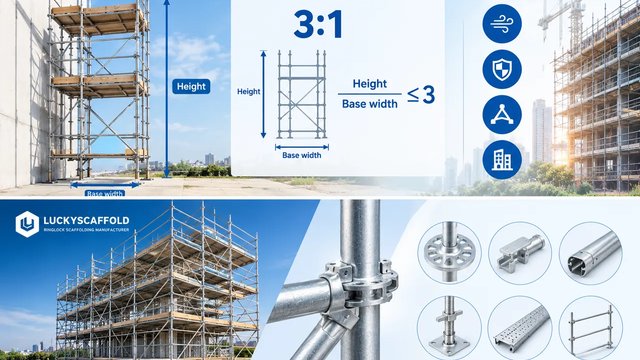
Important considerations: Performance depends on component dimensions, steel grade, connection quality, bracing, ties, foundation conditions, imposed loads, and the scaffold design. A modular connection alone does not guarantee a safe structure. For how height, base width, ties, and bracing work together, see our guide to the 3 to 1 rule for scaffolding.
2. What Is Cuplock Scaffolding?
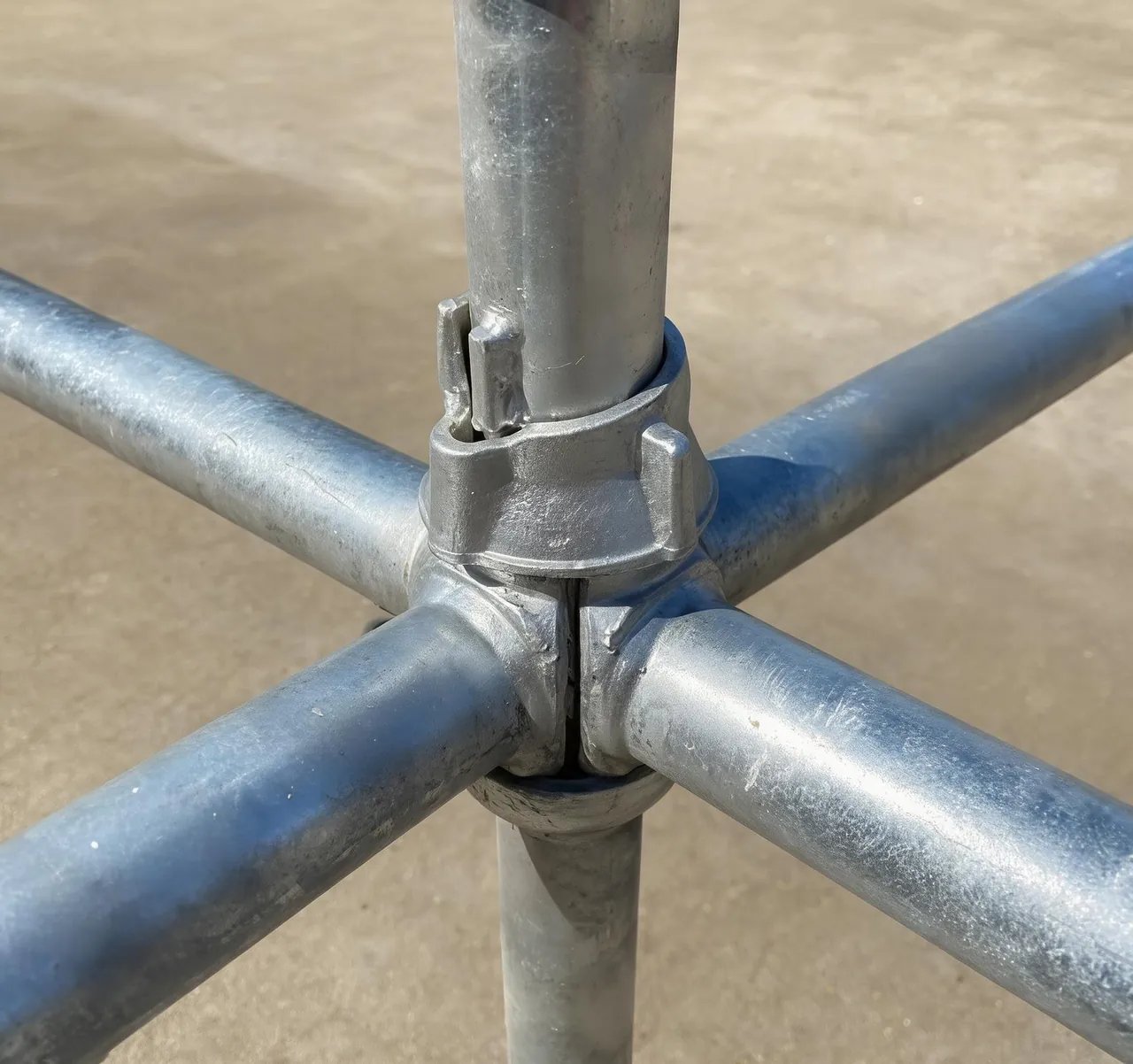
Cuplock scaffolding is a modular system that connects horizontal members to vertical standards using cup-shaped locking components. In a common design, blade ends on ledgers are positioned in a lower cup and secured by an upper cup. Details vary between product designs.
Typical components include standards, ledgers, diagonal braces, base jacks, platforms, and guardrails. The modular arrangement makes Cuplock suitable for repeated scaffold bays and regular working layouts.
Advantages: Cuplock is known for its relatively straightforward node connection and repeatable assembly. It can be useful where contractors already own compatible equipment, have trained crews, or work on projects with recurring scaffold layouts.
Common applications: Building construction, masonry and plastering, facade work, industrial maintenance, and some temporary support applications where the system has been appropriately designed.
Considerations: The best choice depends on the required geometry, component availability, workforce experience, design requirements, and local regulations. No system is automatically the most economical or suitable for every project. For a detailed side-by-side comparison, read Ringlock vs Cuplock scaffolding.
3. What Is Tube and Clamp Scaffolding?
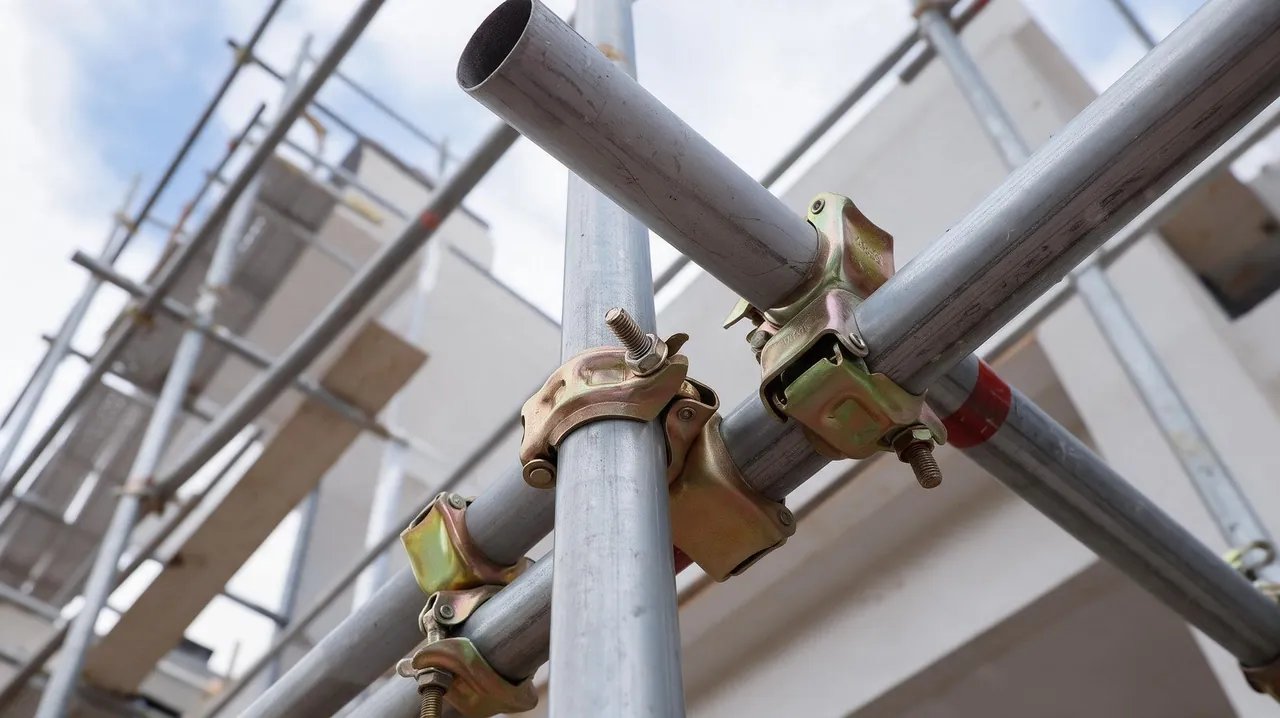
Tube and Clamp scaffolding—also called tube-and-coupler scaffolding—uses individual steel tubes connected by separate couplers. Common couplers include right-angle couplers for connecting tubes at 90 degrees and swivel couplers for connections at different angles.
Typical components include steel tubes, right-angle couplers, swivel couplers, base plates, scaffold boards or platforms, and bracing components. The arrangement can be adjusted to suit many unusual shapes and site constraints.
Advantages: Its major strength is flexibility. Tube and Clamp can be adapted around irregular structures, pipes, machinery, curved surfaces, and restricted areas. Individual tubes can be positioned to meet a specific layout when the scaffold is properly designed.
Common applications: Industrial facilities, complex building geometry, maintenance areas with obstructions, and projects requiring non-standard configurations.
Considerations: Because many connections must be positioned and tightened individually, assembly can be more labor-intensive and depends heavily on correct installation. Coupler compatibility, tightening, inspection, and competent supervision are important.
Ringlock vs. Cuplock vs. Tube and Clamp
The right system depends on project geometry, crew experience, existing inventory, rental availability, transport, maintenance, and the design requirements. A comparison should be based on the actual products and work conditions—not only the system name.
Feature | Ringlock | Cuplock | Tube and Clamp |
|---|---|---|---|
Connection | Rosette and wedge pin | Cup and blade | Tube and coupler |
Layout | Modular and adaptable | Modular; suited to repeated layouts | Highly adaptable |
Assembly | Standardized node connections | Standardized cup connections | Individual couplers tightened |
Typical strength | Versatility and repeatability | Consistent repeated layouts | Flexibility around irregular shapes |
Key considerations | Design, bracing, ties, base | Design, bracing, ties, base | Labor, couplers, installation quality |
Best fit | Broad range of construction and industrial projects | Conventional, repetitive layouts | Complex or non-standard configurations |
Which Type of Scaffolding Is Best for Your Project?
Choose Ringlock when a modular system with adaptable node connections is needed across a variety of construction or industrial projects, especially where repeated use and consistent component organization matter.
Choose Cuplock when the project suits its modular connection layout and the contractor already has compatible components, trained workers, or established procurement channels.
Choose Tube and Clamp when the scaffold must adapt around unusual shapes, obstructions, or non-standard geometry and the team has the experience to install and inspect the many individual connections.
Before choosing, evaluate working height, intended loads, access requirements, foundation capacity, wind exposure, ties and bracing, assembly labor, local standards, and the availability of trained personnel. Scaffold design and use should follow applicable regulations and manufacturer instructions.
Other Ways to Classify Scaffolding
The three systems discussed above are classified mainly by their connection methods. Scaffolding can also be classified by support method or mobility.
Supported Scaffolding
Supported scaffolding is carried by the ground or another suitable supporting structure. Ringlock, Cuplock, and Tube and Clamp systems can all be used to build supported scaffolds when properly designed.
Suspended Scaffolding
Suspended scaffolding hangs from an overhead structure using a purpose-designed suspension arrangement. It is commonly used for high-rise facade maintenance, window cleaning, and repair work. Suspension points, hoists, fall protection, and inspections are critical.
Rolling Scaffolding
Rolling scaffolding is mounted on casters or wheels so it can be repositioned when permitted by the system design and safety rules. It is often used for indoor maintenance, painting, and tasks that require access at multiple locations. Caster locking, ground conditions, guardrails, and movement procedures matter.
These categories can overlap. For example, Ringlock describes how components connect, while supported scaffolding describes how the scaffold is supported.
Quick Classification Guide
Classification basis | Examples | What it describes |
|---|---|---|
Connection system | Ringlock, Cuplock, Tube and Clamp | How components connect |
Support method | Supported, Suspended | How the scaffold is supported |
Mobility | Fixed, Rolling | Whether it is designed to move |
Why Choose LuckyScaffolding for Ringlock Scaffolding?
LuckyScaffolding focuses on Ringlock scaffolding systems and related components for construction customers, contractors, rental companies, and distributors. The modular system can be configured for a range of project layouts when specified and assembled according to the relevant design and safety requirements.
Depending on the order and project requirements, the product range may include Ringlock standards, ledgers, diagonal braces, base collars, adjustable screw jacks, steel platforms, guardrails, and accessories. Customers can share a bill of materials, drawings, component specifications, or estimated quantities to help clarify their requirements.
When evaluating a manufacturer, buyers should review material and dimensional specifications, welding and surface-treatment requirements, component compatibility, inspection arrangements, packaging, and export logistics. Any quality certifications or performance claims should be confirmed against the manufacturer's actual documentation.
We export on FOB (Chinese port) or EXW terms, and ocean freight is arranged by the customer's freight forwarder. For a Ringlock scaffolding quotation, contact LuckyScaffolding with the required specifications, quantities, drawings, destination market, and any applicable project standards.
Frequently Asked Questions
What are the 3 types of scaffolding?
A common way to answer this question by connection system is Ringlock, Cuplock, and Tube and Clamp scaffolding. Other classifications use support method or mobility.
Is Ringlock scaffolding better than Cuplock?
Neither is always better. Compare the actual system design, project layout, component quality, labor availability, cost, and local requirements.
Is Tube and Clamp scaffolding more flexible?
It can be highly adaptable to irregular shapes because tubes and couplers can be positioned individually. That flexibility may require more installation labor and careful inspection.
What is the difference between a connection type and a scaffold type?
Ringlock and Cuplock describe connection systems. Supported, suspended, and rolling describe support or mobility characteristics.
Which system is best for large projects?
The best option depends on the structure, loads, layout, schedule, crew skills, inventory, and engineering requirements. Large or complex scaffolds should be designed or reviewed by qualified personnel.
Can scaffolding systems be mixed?
Do not mix components simply because they appear to fit. Compatibility and structural integrity must be verified, and applicable regulations and manufacturer instructions must be followed. For example, OSHA's scaffold requirements state that components from different manufacturers shall not be intermixed unless they fit together without force and the scaffold's structural integrity is maintained.
Conclusion
Ringlock, Cuplock, and Tube and Clamp are three widely used scaffolding systems, each with distinct connection methods and practical strengths. Ringlock offers a modular rosette-and-wedge connection, Cuplock uses cup-based locking nodes, and Tube and Clamp uses individual tubes and couplers for highly adaptable layouts.
Other classifications—such as supported, suspended, and rolling scaffolding—describe how a scaffold is supported or moved rather than how its components connect. Understanding the difference helps buyers compare systems more accurately.
For projects considering a modular Ringlock solution, LuckyScaffolding can discuss component requirements, specifications, quantities, and export needs. Always select, assemble, and inspect scaffolding in accordance with the project design, manufacturer instructions, and applicable local regulations.