If you are sourcing scaffolding for a construction project, one of the first decisions you will face is choosing between ringlock and cuplock systems. Both are modular steel scaffolding systems widely used globally, but they differ significantly in connection geometry, assembly speed, load capacity, and adaptability to complex structures. As a manufacturer that produces both systems, we want to give you an honest, data-driven comparison so you can make the best decision for your project.
1. Connection Mechanism: The Fundamental Difference
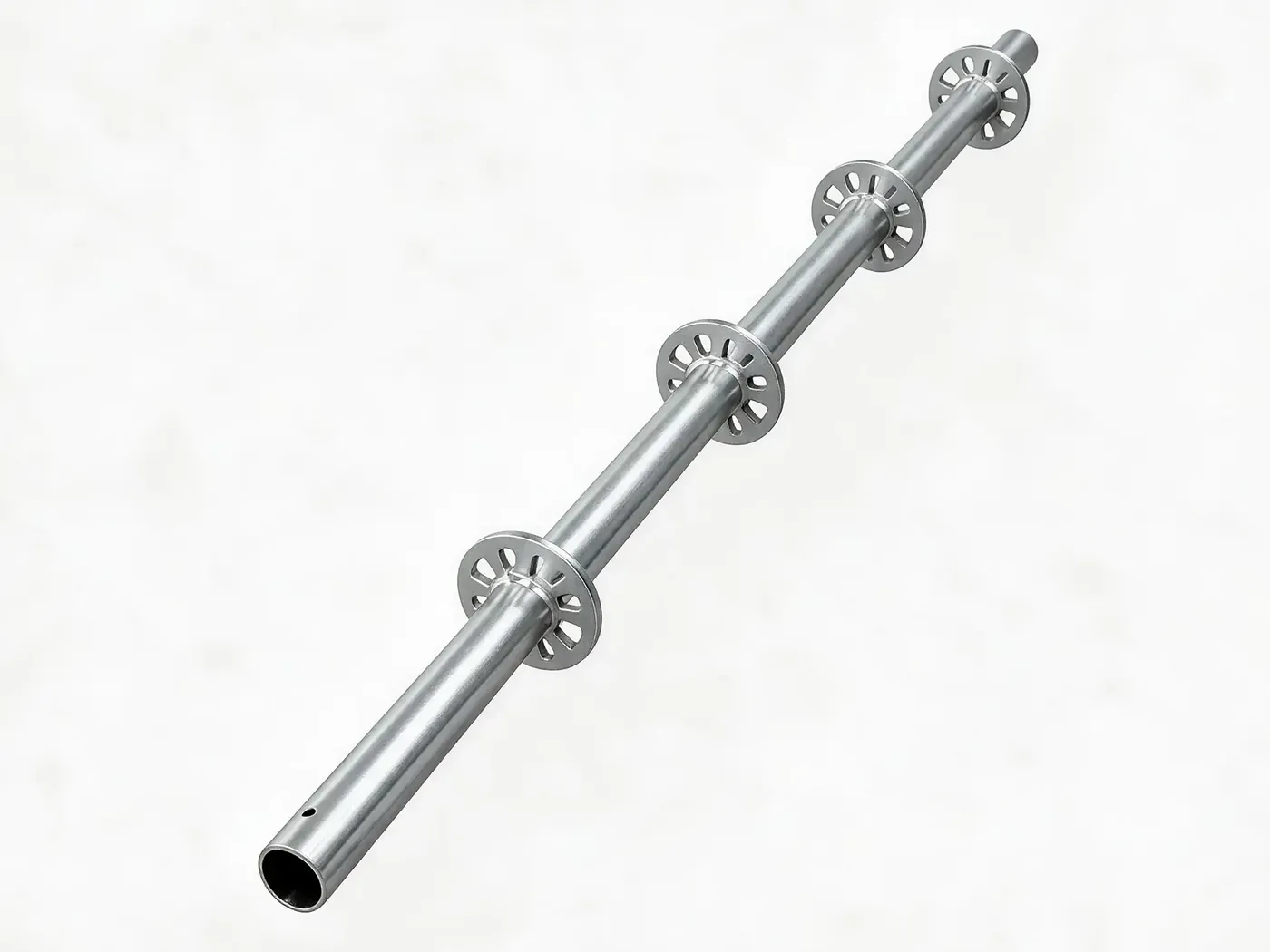
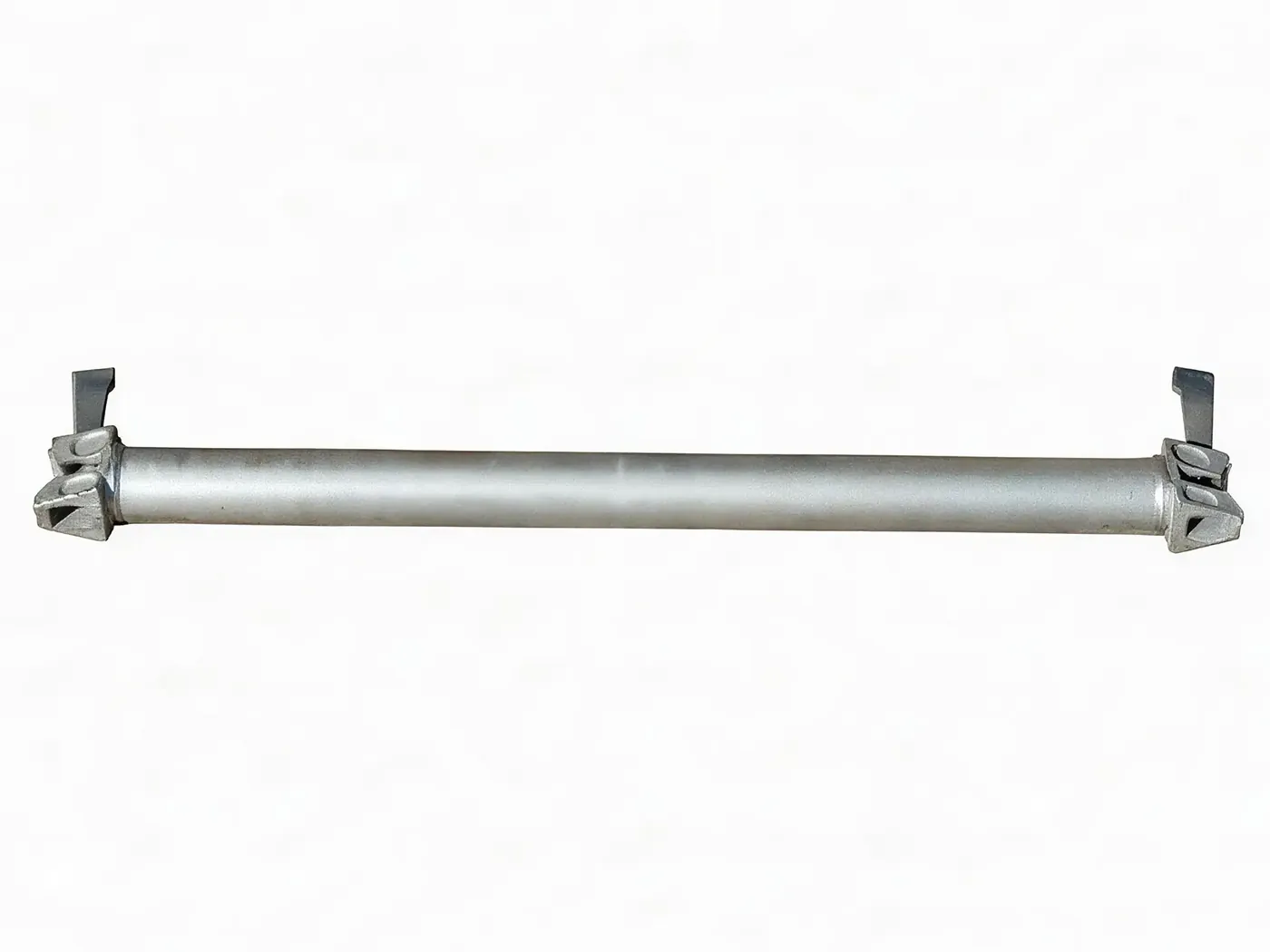
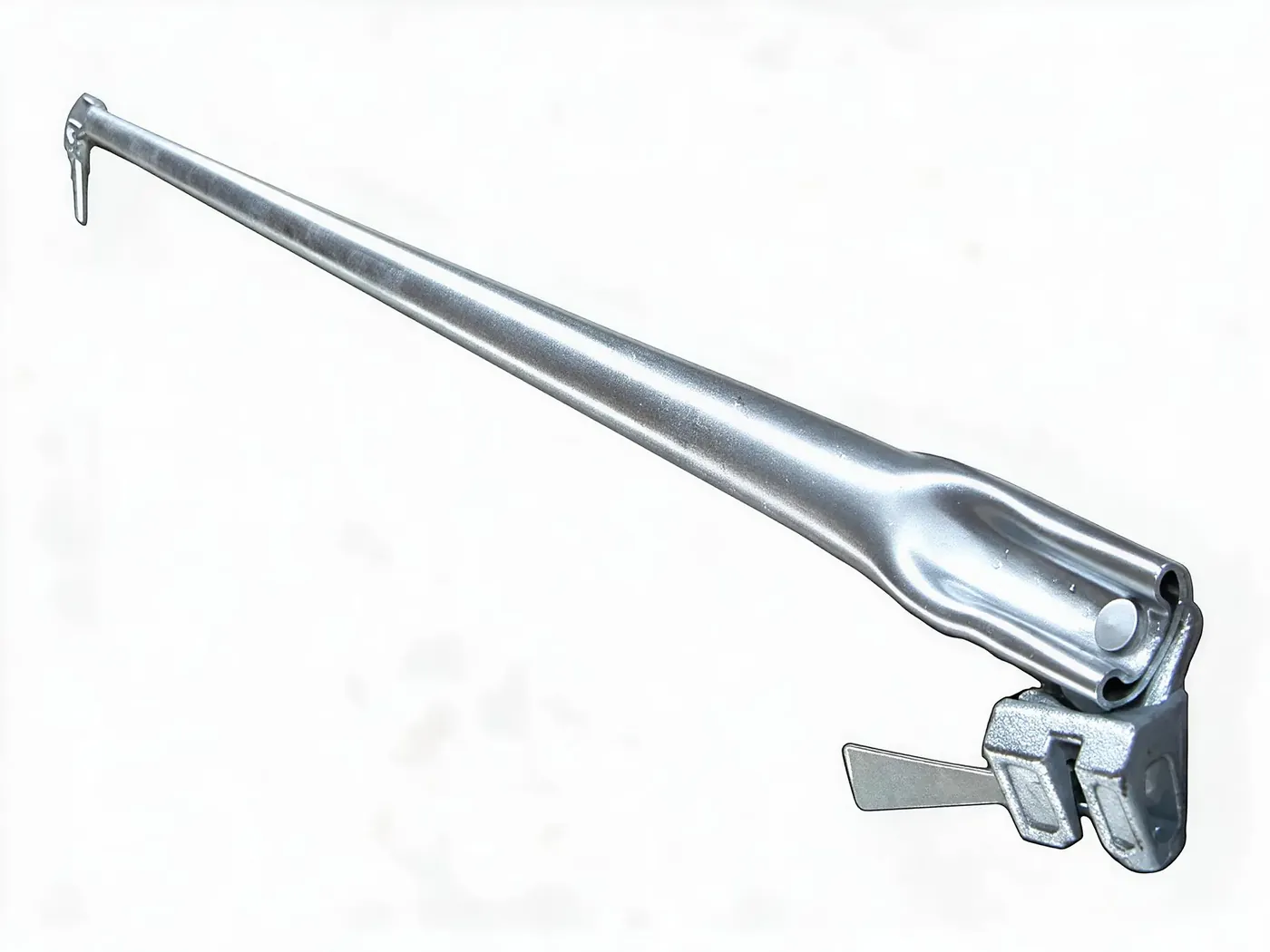
The core difference between the two systems lies in the node connection. Ringlock uses a rosette — a circular steel plate with 8 precisely machined slots (4 large, 4 small) welded to the standard at 500mm intervals. Ledger and brace ends have wedge heads that engage the rosette slots and are secured by hammering a captive wedge. This creates a rigid, moment-resisting connection.
Cuplock uses a cup-and-blade mechanism. Each standard has cups welded at 500mm spacing. Horizontal members have blade ends that are inserted between the cups, and the top cup is rotated down and tightened to lock the connection. While effective, this system is limited to 4 connection points per node and does not offer the same multi-directional flexibility as ringlock.
2. Load Capacity: Ringlock Has the Edge
Independent testing according to EN 12810 shows that ringlock connections typically achieve higher load capacities than cuplock at equivalent bay sizes. The rosette connection distributes load across 8 points rather than 4, reducing stress concentration. Our ringlock standards (Q355 steel, 3.2mm wall) are rated for up to 80kN per leg in heavy-duty shoring configurations, while equivalent cuplock standards generally max out around 60-65kN per leg.
- Ringlock standard axial capacity: up to 80kN (heavy-duty type)
- Cuplock standard axial capacity: typically 60-65kN
- Ringlock ledger capacity: 6.5-8.5kN (depending on span)
- Both systems comply with EN 12810 when properly configured
3. Assembly Speed: Ringlock is Approximately 30% Faster
Field studies consistently show that ringlock scaffolding can be erected approximately 30% faster than cuplock. The reason is simple: ringlock wedge connections require only a hammer strike to lock, while cuplock requires alignment of blades, placement of the top cup, and tightening. On a typical 1000m² facade scaffold, this time saving can translate to 2-3 fewer labor days.
Additionally, ringlock has fewer loose components. The captive wedge is integrated into the ledger/brace head and cannot be dropped or lost — a common issue with cuplock top cups in busy construction environments.
4. Versatility: Ringlock Excels at Complex Geometries
This is where ringlock truly shines. The 8-point rosette allows ledgers and braces to connect at any angle, making it ideal for curved structures, circular tanks, dome roofs, and irregular facades. Cuplock is limited to 90-degree connections at the cup locations, making it better suited for straightforward rectilinear structures like building facades and straight bridges.
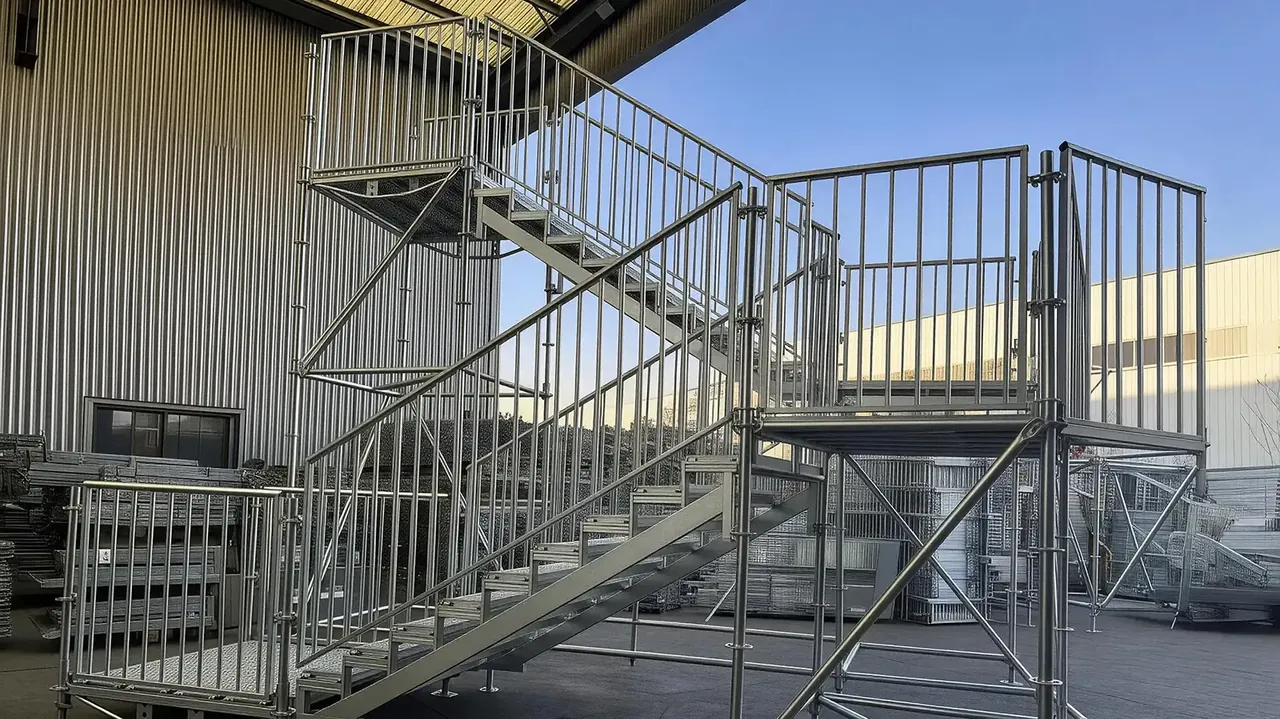
Project type recommendation: Choose ringlock for stadiums, bridges with curved sections, industrial vessels, and architecturally complex buildings. Choose cuplock for standard high-rise facades, straight bridges, and simple access towers where cost is the primary concern.
5. Component Count and Logistics
Ringlock systems have fewer unique component types than cuplock, which simplifies inventory management and reduces the chance of component mismatch on site. A typical ringlock system requires only standards, ledgers, braces, base jacks, top jacks, and planks — all connecting through the same rosette interface. Cuplock requires standards with cups, ledgers with blades, transoms, braces, and additional filler pieces.
6. Total Cost of Ownership
While cuplock systems often have a lower initial purchase price per ton (typically 5-10% less), the total cost of ownership often favors ringlock when you factor in: faster assembly labor savings, fewer lost components, higher resale value due to global demand, and longer service life due to superior connection durability. For contractors who reuse scaffolding across multiple projects, ringlock typically delivers better long-term value.
Our Recommendation
For most large-scale and complex projects, we recommend ringlock scaffolding due to its superior versatility, load capacity, and assembly efficiency. For simple, repetitive structures where initial cost is the primary driver, cuplock remains a viable and proven option. We manufacture both systems and are happy to provide comparative quotations based on your specific project requirements. Contact our engineering team at leolisuper360@gmail.com for a free consultation.