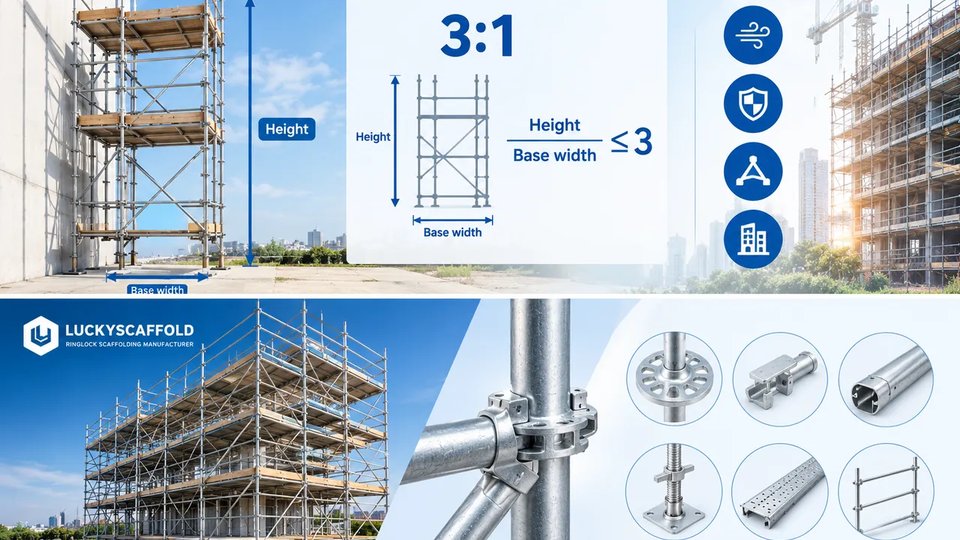
The 3 to 1 rule for scaffolding is a commonly discussed guideline related to the stability of scaffold structures. It is generally used to help explain the relationship between a scaffold's height and its minimum base width and when additional stabilization may need to be considered.
However, the 3:1 ratio should not be treated as a universal scaffolding safety requirement. Different countries and standards use different height-to-base ratios and requirements for tying, bracing, guying, and other stabilization methods.
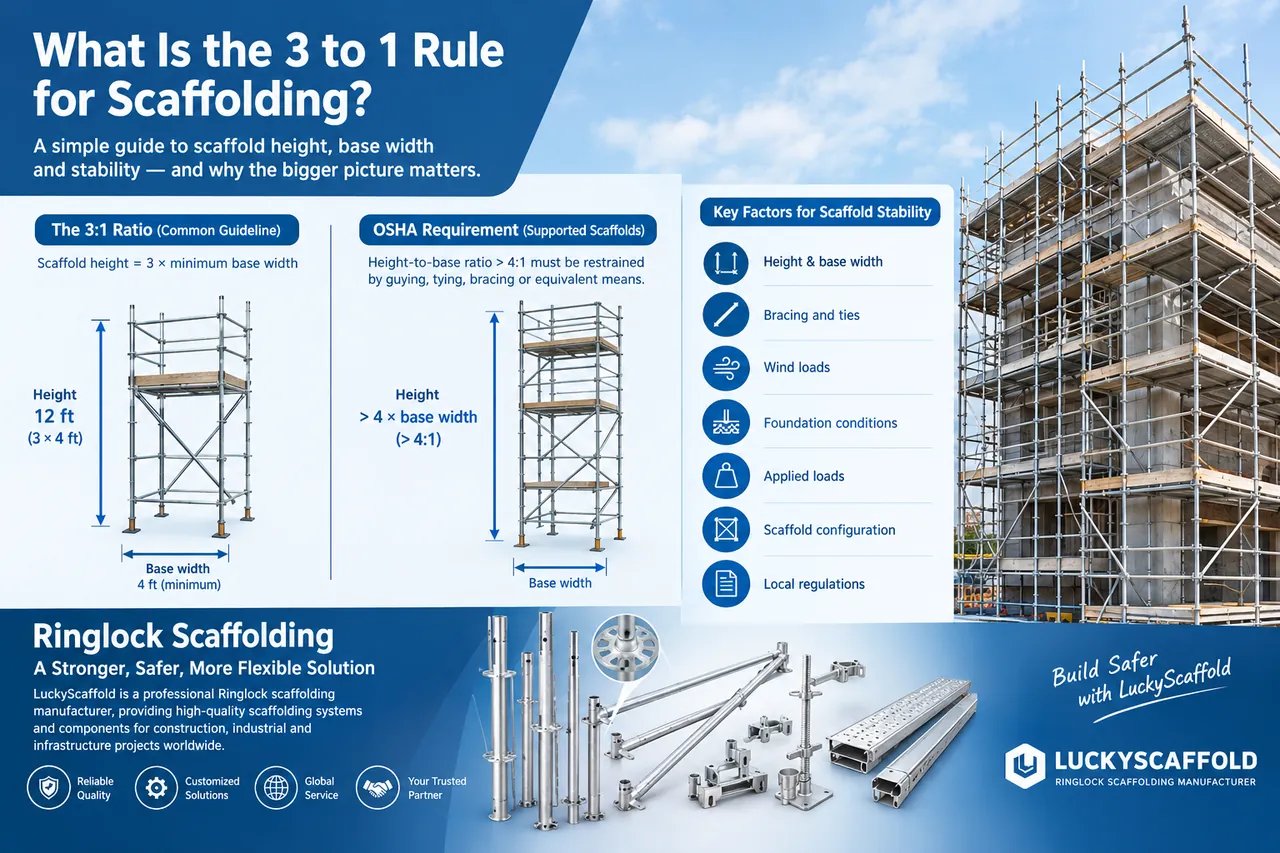
For example, OSHA's requirements for supported scaffolds state that a scaffold with a height-to-base-width ratio of more than 4:1 must be restrained from tipping by guying, tying, bracing, or equivalent means. OSHA also has separate requirements for mobile scaffolds.
Therefore, the 3:1 rule is best understood as a general stability concept, rather than a substitute for local scaffolding regulations, engineering design, or manufacturer instructions.
In this article, we explain what the 3:1 rule means, how the ratio is calculated, what happens when a scaffold becomes too tall for its base, and how these principles apply to modern Ringlock scaffolding systems.
What Does the 3 to 1 Rule Mean?
The basic concept behind a height-to-base ratio is simple:
Scaffold Height ÷ Minimum Base Width = Height-to-Base Ratio
Under a 3:1 guideline, a scaffold that is three times as high as its minimum base width reaches a 3:1 height-to-base ratio.
For example, if the minimum base width is 4 feet:
4 ft × 3 = 12 ft
A 12-foot-high scaffold would therefore have a 3:1 height-to-base ratio.
Similarly:
Minimum Base Width | 3:1 Height |
|---|---|
3 ft (0.9 m) | 9 ft (2.7 m) |
4 ft (1.2 m) | 12 ft (3.7 m) |
5 ft (1.5 m) | 15 ft (4.6 m) |
6 ft (1.8 m) | 18 ft (5.5 m) |
8 ft (2.4 m) | 24 ft (7.3 m) |
These examples are useful for understanding the relationship between scaffold height and base width.
However, they should not be interpreted as universal maximum scaffold heights. Actual requirements depend on the applicable standard, scaffold type, structural design, bracing, ties, loads, foundation, environmental conditions, and manufacturer's instructions.
Why Is the Height-to-Base Ratio Important?
As a scaffold becomes taller relative to its base, its resistance to overturning can become more critical.
A relatively wide and low scaffold generally has a larger stability footprint. A tall and narrow scaffold, on the other hand, may be more susceptible to lateral forces and overturning.
Several factors can affect scaffold stability.
Risk of Tipping
A tall scaffold can experience an overturning moment when horizontal forces are applied to the structure.
Potential sources include:
- Wind
- Worker movement
- Material handling
- Equipment loads
- Accidental impact
- Uneven loading
- Structural movement
The taller the scaffold becomes in relation to its base, the more carefully its overall stability needs to be evaluated.
Wind Loads
Wind is particularly important for outdoor scaffolding.
Wind pressure can increase significantly when a scaffold is:
- Very tall
- Partially or fully enclosed
- Covered with sheeting
- Equipped with advertising banners
- Installed in an exposed location
OSHA specifically states that wind screens shall not be used unless the scaffold is secured against the anticipated wind forces imposed.
For this reason, adding sheeting or netting to a scaffold should not be treated as a simple cosmetic change. It can change the wind load acting on the entire structure.
Uneven Ground
A stable scaffold requires a suitable foundation.
Soft soil, uneven ground, settlement, standing water, or inadequate footing can reduce stability even when the height-to-base ratio appears acceptable.
The scaffold base should therefore be level, sound, rigid, and capable of supporting the intended loads.
How Do You Calculate the 3:1 Rule?
The basic calculation is:
Height-to-Base Ratio = Scaffold Height ÷ Minimum Base Width
For example, consider a scaffold with:
- Height: 18 ft
- Minimum base width: 6 ft
The calculation is:
18 ÷ 6 = 3
Therefore, the height-to-base ratio is 3:1.
Another example:
- Height: 24 ft
- Minimum base width: 6 ft
24 ÷ 6 = 4
The ratio is therefore 4:1.
At this point, the applicable regulations become especially important. Under OSHA's supported-scaffold requirements, a ratio greater than 4:1 requires restraint against tipping by guying, tying, bracing, or equivalent means.
Does the 3:1 Rule Mean a Scaffold Can Only Be Three Times Its Width?
No.
This is one of the most common misunderstandings about scaffold height-to-base ratios.
A height-to-base ratio should not automatically be interpreted as an absolute maximum height.
A scaffold can often be built higher than a particular ratio when it is properly designed and stabilized using measures such as:
- Scaffold ties
- Guy wires
- Diagonal bracing
- Outriggers
- Proper anchoring
- Increased base width
- Engineered structural solutions
The actual requirement depends on the applicable regulations and the specific scaffold design.
For example, OSHA requires supported scaffolds exceeding a 4:1 height-to-base ratio to be restrained against tipping.
This is why professional scaffold design should consider the entire structural system rather than relying on one ratio alone.
What Happens When a Scaffold Exceeds the Applicable Height-to-Base Ratio?
When a scaffold becomes too tall relative to its base, additional stabilization may be required.
Scaffold Ties
A scaffold can be connected to an adjacent building or structure using suitable ties.
Ties help transfer horizontal forces from the scaffold to the supporting structure and reduce the risk of movement or overturning.
For OSHA-regulated supported scaffolds, tie, guy, and brace requirements are specified once the applicable height-to-base threshold is exceeded.
Diagonal Bracing
Diagonal braces help increase the rigidity of the scaffold and reduce lateral movement.
Ringlock scaffolding, for example, uses diagonal braces as an important part of its structural configuration.
Guys and Anchors
Depending on the project, guying or other anchoring systems may be used to provide additional resistance against overturning.
The appropriate method depends on the scaffold design and the surrounding structure.
Outriggers
Outriggers can increase the effective base width of a scaffold.
This can improve stability by creating a larger support footprint.
When outriggers are used, their dimensions, location, connections, and structural capacity must be considered as part of the complete scaffold design.
3:1 Rule and Scaffold Ties
One of the most important concepts to understand is that height-to-base ratio and scaffold tie requirements are closely related, but they are not the same thing.
A scaffold may require ties because of:
- Height
- Base width
- Wind exposure
- Scaffold configuration
- Building geometry
- Applied loads
- Local regulations
- Manufacturer requirements
OSHA specifies that supported scaffolds with a height-to-base ratio greater than 4:1 must be restrained against tipping, with requirements governing the placement of guys, ties, and braces.
Therefore, contractors should not simply calculate a ratio and assume that the scaffold is safe.
A competent or qualified person should evaluate the complete scaffold configuration according to the applicable requirements.
Does the 3:1 Rule Apply to Ringlock Scaffolding?
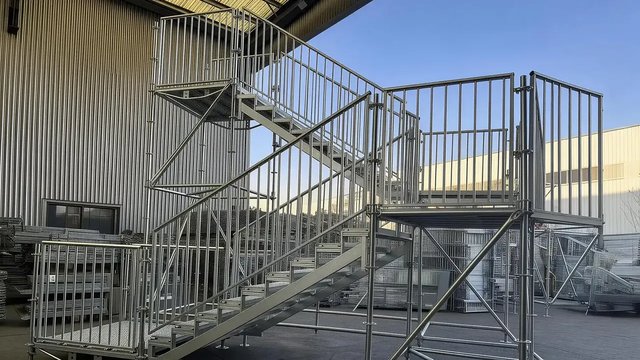
The principles of height-to-base stability are relevant to Ringlock scaffolding, just as they are to other supported scaffold systems.
However, Ringlock should not be treated differently from other scaffolding simply because it uses a modular rosette connection.
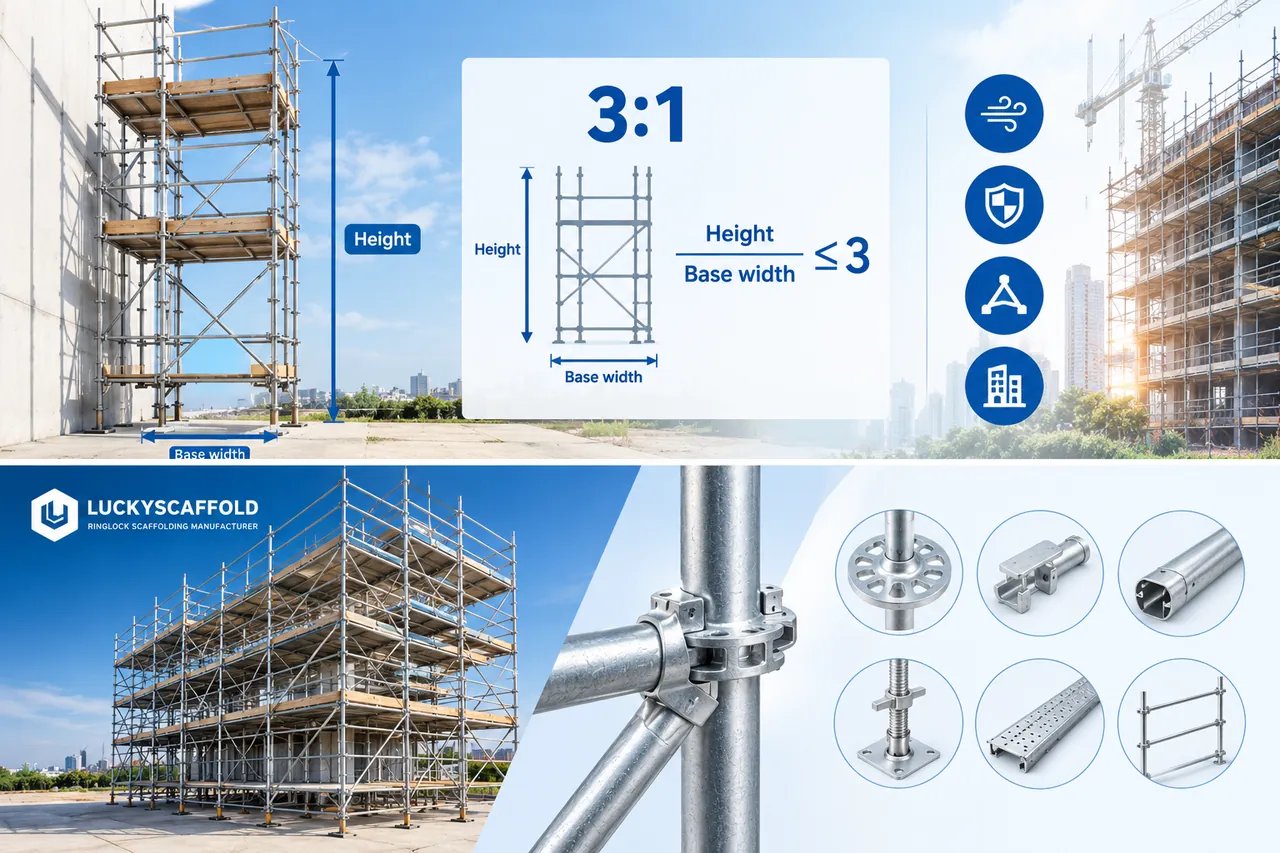
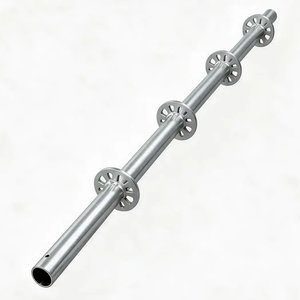
A Ringlock scaffold consists of multiple structural components working together, including:
- Standards
- Ledgers
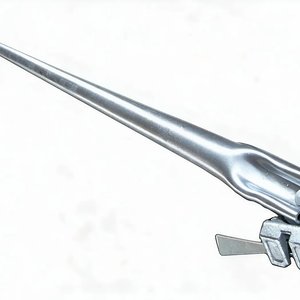
- Diagonal braces
- Base collars
- Adjustable screw jacks
- Platforms
- Guardrails
- Scaffold ties
- Other accessories
The stability of the complete structure depends on how these components are configured and connected.
For example, a tall Ringlock scaffold may require additional bracing or ties even though the individual components themselves have sufficient load capacity.
Ringlock Connection and Structural Stability
One of the advantages of Ringlock scaffolding is its modular rosette connection.
Horizontal ledgers and diagonal braces can be connected to the rosettes using wedge pins, creating a rigid and adaptable scaffold structure.
This makes Ringlock particularly suitable for:
- High-rise construction
- Industrial plants
- Bridges
- Stadiums
- Infrastructure projects
- Complex building structures
- Maintenance projects
However, a flexible connection system does not eliminate the need for proper structural design and stabilization.
3:1 Rule for Different Types of Scaffolding
The concept of height-to-base stability can be considered for many types of scaffolding, but the exact requirements vary.
Scaffold Type | Stability Considerations |
|---|---|
Ringlock Scaffolding | Height, base width, bracing, ties and design requirements |
Cuplock Scaffolding | Height, base width, bracing, ties and design requirements |
Frame Scaffolding | Frame geometry, base width and stabilization |
Tube & Clamp Scaffolding | Component configuration, bracing and connections |
Mobile Scaffolding | Base width, caster position, outriggers and movement conditions |
Mobile scaffolds deserve special attention.
OSHA has specific requirements for mobile scaffolds. For employees riding a mobile scaffold during movement, OSHA specifies a 2:1 or less height-to-base-width ratio, subject to the conditions in the standard.
This is another reason why a single "3:1 rule" should not be applied universally to every type of scaffold.
What Factors Affect Scaffold Stability?
The height-to-base ratio is only one part of scaffold stability.
A professional scaffold assessment should also consider:
Scaffold Height
As the scaffold becomes taller, lateral stability becomes increasingly important.
Base Width
A wider base generally provides a larger stability footprint.
Diagonal Bracing
Proper bracing helps control lateral movement and increases structural rigidity.
Scaffold Ties
Ties can connect the scaffold to an adjacent structure and provide additional lateral restraint.
Foundation Conditions
The supporting surface must be capable of carrying the intended loads.
Wind Loads
Wind conditions can significantly affect tall or enclosed scaffolds.
Applied Loads
Workers, materials, tools, equipment, and other loads must remain within the scaffold's rated capacity.
OSHA requires scaffolds and scaffold components to support their own weight and at least four times the maximum intended load applied or transmitted to them, subject to the standard's provisions.
Scaffold Configuration
Cantilevered platforms, eccentric loads, unusual geometries, and other configurations can create additional stability requirements.
3:1 Rule vs. Local Scaffolding Regulations
If you work internationally, this is particularly important.
There is no single global scaffolding ratio that applies to every country and every scaffold configuration.
Depending on the project location, contractors may need to follow:
- OSHA requirements in the United States
- EN standards in Europe
- BS standards and HSE guidance in the United Kingdom
- AS/NZS standards in Australia and New Zealand
- Local construction and occupational safety regulations
The applicable standard should always take priority over a general online guideline.
For example, OSHA's supported-scaffold requirement uses a 4:1 height-to-base threshold, rather than a universal 3:1 requirement.
Therefore, the 3:1 rule should be used as a useful way to understand scaffold proportions, but it should not replace project-specific engineering or regulatory requirements.
Common Mistakes When Applying the 3:1 Rule
Mistake 1: Treating 3:1 as a Universal Law
Different standards use different requirements.
Always check the regulations applicable to the project.
Mistake 2: Looking Only at Height
Height alone does not determine stability.
Base width, bracing, ties, foundation, wind, loads, and scaffold configuration must also be considered.
Mistake 3: Assuming a Ratio Guarantees Safety
A scaffold that meets a particular height-to-base ratio is not automatically safe.
The entire structure must be properly designed, assembled, inspected, and maintained.
Mistake 4: Ignoring Wind
Wind can have a significant effect on tall scaffolding, especially when sheeting or netting is installed.
Mistake 5: Removing Braces or Ties
Braces and ties are structural components. Removing them without evaluating the effect on the scaffold can seriously compromise stability.
Mistake 6: Using Incompatible Components
Scaffold components should not simply be mixed from different manufacturers without confirming compatibility and structural integrity.
OSHA states that components from different manufacturers should not be intermixed unless they fit together without force and structural integrity is maintained.
How Can Scaffold Stability Be Improved?
Good scaffold stability starts with proper planning and continues through installation and inspection.
Important measures include:
- Use a suitable and stable foundation.
- Install proper base plates and adjustable base components.
- Keep standards vertical and properly aligned.
- Install diagonal braces according to the scaffold design.
- Use scaffold ties where required.
- Maintain the specified scaffold geometry.
- Do not exceed the rated load.
- Consider local wind and weather conditions.
- Inspect the scaffold regularly.
- Follow the manufacturer's instructions and applicable regulations.
For large or complex scaffolding projects, the scaffold should be designed or reviewed by appropriately qualified personnel.
3:1 Rule for Ringlock Scaffolding Projects
Consider a simple example.
Suppose a Ringlock scaffold has:
- Scaffold height: 24 ft
- Minimum base width: 6 ft
The height-to-base ratio is:
24 ÷ 6 = 4:1
This example shows why height and base width need to be considered together.
However, the ratio alone does not determine whether the scaffold is safe.
The project team must also evaluate:
- Ringlock standard specifications
- Ledger configuration
- Diagonal bracing
- Scaffold ties
- Base support
- Applied loads
- Wind conditions
- Platform configuration
- Local regulations
For projects in jurisdictions following OSHA requirements, a supported scaffold exceeding a 4:1 height-to-base ratio must be restrained from tipping by guying, tying, bracing, or equivalent means.
The exact design should therefore be based on the applicable standard and project conditions.
Why Choose LuckyScaffolding for Ringlock Scaffolding?
LuckyScaffolding is a professional scaffolding manufacturer focused on Ringlock scaffolding systems and related components for international construction markets.
We supply Ringlock scaffolding for contractors, scaffolding rental companies, construction companies, distributors, and project owners.
Our product range includes:
- Ringlock Standards
- Ringlock Ledgers
- Diagonal Braces
- Base Collars
- Adjustable Screw Jacks
- Steel Platforms
- Guardrails
- Ladders
- Ringlock Accessories
Ringlock Scaffolding for Different Projects
Different construction projects require different scaffolding configurations.
Our Ringlock system can be used for applications such as:
- Residential and commercial buildings
- High-rise construction
- Industrial facilities
- Infrastructure projects
- Bridges
- Stadiums
- Power plants
- Maintenance and access work
The modular design of Ringlock allows contractors to build scaffolding structures with different heights, widths, platform levels, and configurations according to project requirements.
Quality-Focused Manufacturing
For scaffolding manufacturers, product quality is not simply about the appearance of the steel components.
Important factors include:
- Steel material quality (Q355, 355 MPa)
- Dimensional accuracy
- Welding quality
- Rosette and wedge connection quality
- Surface treatment
- Hot-dip galvanizing quality
- Component consistency
- Packaging for export
Consistent manufacturing is particularly important for modular scaffolding because components must work together correctly on the construction site. See how we manufacture in our factory.
Ringlock Scaffolding for International Customers
We export Ringlock scaffolding to contractors and distributors worldwide, on FOB (Chinese port) or EXW terms.
For export orders, we can work with customers on requirements such as:
- Product specifications
- Component quantities
- Surface treatment
- Packaging
- Container loading
- Project-specific requirements
- OEM requirements
For large orders, efficient packing and container utilization can also help reduce unnecessary freight costs.
If you are planning a Ringlock scaffolding project or looking for a reliable Ringlock scaffolding manufacturer, contact LuckyScaffolding with your required scaffold dimensions, quantities, component list, or project drawings.
Frequently Asked Questions
What is the 3 to 1 rule for scaffolding?
The 3:1 rule is a commonly discussed height-to-base ratio used to explain scaffold stability. However, it is not a universal requirement for every scaffold or jurisdiction. The applicable local standard should always be followed.
How do you calculate the 3:1 rule for scaffolding?
Divide the scaffold height by its minimum base width. For example, a 15-foot-high scaffold with a 5-foot minimum base width has a 3:1 height-to-base ratio.
Can a scaffold be higher than a 3:1 ratio?
Yes. A scaffold can be designed higher than a 3:1 ratio when the applicable requirements are met and appropriate stabilization measures are provided. For example, OSHA requires supported scaffolds exceeding a 4:1 height-to-base ratio to be restrained against tipping.
Does the 3:1 rule apply to Ringlock scaffolding?
The general principle of height-to-base stability applies to Ringlock scaffolding, but the exact requirements depend on the project design, applicable regulations, scaffold configuration, and stabilization measures.
Does OSHA require a 3:1 ratio for scaffolding?
No. OSHA's supported-scaffold rule uses a 4:1 height-to-base-width threshold for requiring restraint against tipping. OSHA also has separate requirements for mobile scaffolds.
What happens when a scaffold exceeds the applicable height-to-base ratio?
Additional stabilization may be required, such as scaffold ties, guys, diagonal bracing, outriggers, or other equivalent measures, depending on the applicable standard and scaffold design.
Does the 3:1 rule apply to mobile scaffolds?
Mobile scaffolds have additional requirements. For example, OSHA specifies a 2:1 or less height-to-base ratio when employees are riding a manually propelled mobile scaffold during movement, subject to the conditions of the standard.
Is a wider scaffold always safer?
A wider base can improve stability, but base width alone does not guarantee safety. Scaffold height, bracing, ties, foundation conditions, wind loads, applied loads, component capacity, and the overall design must also be considered.
Conclusion
The 3 to 1 rule for scaffolding is a useful way to understand the relationship between scaffold height and base width, but it should not be treated as a universal safety limit.
Scaffold stability depends on the complete structural system, including the base, standards, ledgers, braces, ties, loads, environmental conditions, and foundation.
For international projects, always follow the applicable local scaffolding regulations and the manufacturer's requirements.
For contractors looking for a flexible modular system, Ringlock scaffolding provides an efficient solution for a wide range of construction and industrial applications.
With properly manufactured components, correct installation, appropriate bracing and ties, and professional inspection, a Ringlock system can provide a reliable scaffolding solution for demanding construction projects.
Looking for Ringlock scaffolding for your next project? Contact LuckyScaffolding to discuss your requirements.